Guided Breathing Exercises for Anxiety
When anxiety rises, breathing is usually the first thing to change and the last thing you think about. It becomes shallow, quick, and high in the chest — and that pattern feeds the feeling that started it. Interrupting the pattern is often enough to take the edge off, which is why breathing exercises work as well as they do for a great many people.
Two different things live on this page, and it helps to know which one you need right now.
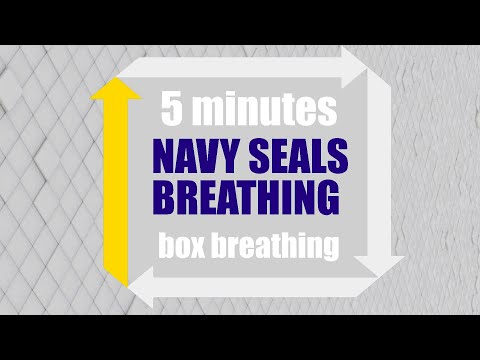
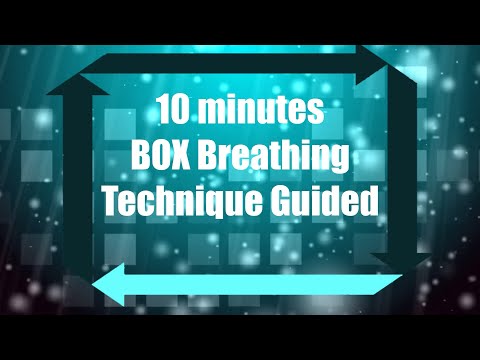
If you are anxious at this moment, use a slow session. Long, unhurried exhales, no breath holds, no forcing. The exhale is where calm lives: when you let air out slowly, your heart rate drops slightly with it, and your body takes that as evidence that the emergency has passed. Five minutes is enough to feel a difference.
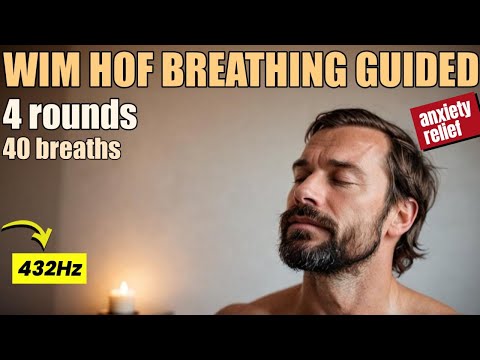
If you are calm right now and want to build resilience over time, the Wim Hof sessions are the ones to use. They work differently — you deliberately create a small, controlled stress and then meet it with steadiness. Practised regularly, that rehearsal seems to make ordinary stress easier to sit with. But practised during a panic attack it can make things worse, because fast breathing and a held breath resemble what your body is already doing. Save those sessions for good days.
Sit somewhere comfortable, let the voice set the pace, and give it a few minutes before deciding whether it is working.
Breathing exercises are not a treatment for an anxiety disorder. If anxiety is affecting your daily life, please talk to a mental health professional — this practice sits alongside that support, not in place of it.
Never practise in or near water, or while driving. Always sit or lie down. Not suitable during pregnancy, or if you have epilepsy, a heart condition, high blood pressure or a history of fainting — speak with your doctor first.
All Anxiety sessions









Be first to know
Get one email when the Meditorama app launches. Nothing else.